Boost Your Curb Appeal: How Expert Landscaping Services Can Transform Your Property
Curb appeal strongly affects property value. Expert landscaping companies can successfully elevate this appeal through deliberate design choices and thoughtful plant selection. By creating inviting outdoor spaces, these professionals add both visual appeal and functional purpose. Property owners often question what important aspects to consider or how to choose the right service. Knowing these key factors can lead to substantial transformations. The path toward a more attractive home begins with knowledgeable planning.
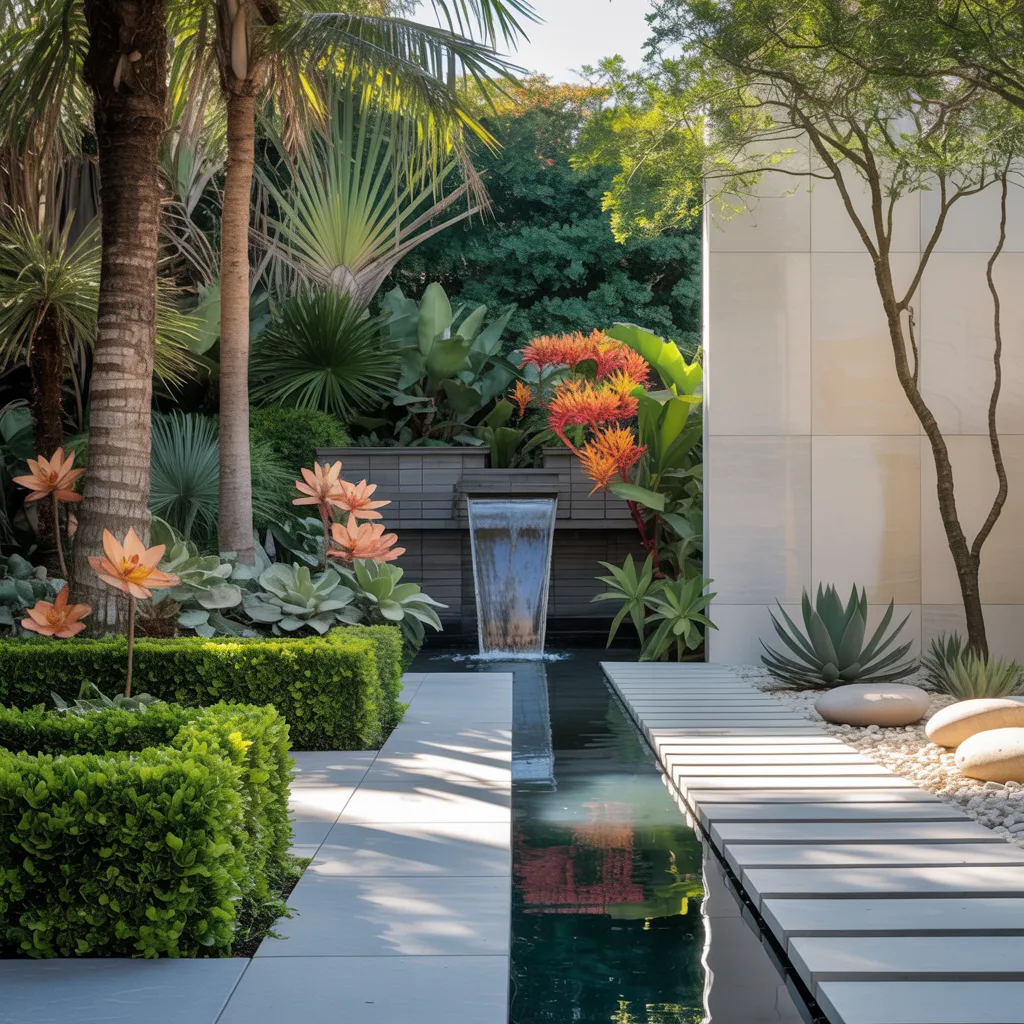
The Role of Curb Appeal in Determining Property Value
Curb appeal functions as the first impression of a property, heavily affecting its market value. A properly maintained exterior appeals to interested buyers, often leading to faster sales and better offers. Properties with appealing landscaping, updated paint, and clean walkways establish a feeling of warmth and care, signaling that the interior may also be well-kept. In contrast, neglecting curb appeal can deter interest, prompting buyers to doubt the general upkeep of the property.
Studies show that properties with strong curb appeal can generate added value of approximately 10% over comparable homes with less visual appeal. Components such as blooming garden displays, manicured lawns, and welcoming front entrances have a substantial impact on this trend. At the core, dedicating resources to exterior aesthetics can generate considerable financial gains, establishing it as a key priority for homeowners and real estate agents alike when evaluating property value.
Fundamental Aspects of Effective Landscaping Design
Thoughtful landscaping design includes a number of key features that improve both practicality and visual appeal. A deliberate layout, purposeful plant selection, and responsible water management represent critical factors that promote a thriving outdoor space. These components work together to create a harmonious environment that satisfies the requirements of both residents and the surrounding ecosystem.
Purposeful Layout Design
A well-planned layout is essential for achieving a harmonious and functional landscape design. Successful landscaping integrates pathways, seating areas, and focal points that direct movement and improve usability. The arrangement should balance open spaces with designated zones, allowing for both relaxation and interaction. Integrating features such as gardens, water elements, and lighting can create visual interest while serving practical purposes. Additionally, accounting for the scale and proportions of elements ensures that they harmonize with the architecture of the property. A functional layout also accommodates maintenance needs, making it easier to care for the landscape over time. In the end, a carefully crafted layout elevates the property's aesthetic appeal while optimizing its functionality for daily use.
Plant Picking Strategy
Picking the correct plants is essential for creating a landscape that is visually appealing and long-lasting. A well-planned approach to plant selection considers environmental factors, soil quality, and the particular attributes of the location. Native plants are often preferred due to their adaptability and low maintenance requirements. In addition, integrating diverse plant species ensures seasonal interest and resilience against pests and diseases. Professionals recommend organizing plants according to their hydration and light requirements, fostering a cohesive and well-functioning natural system. Beyond that, considering the scale and growth habits of plants helps avoid overcrowding, enabling every plant to flourish. Ultimately, careful plant curation not only enhances aesthetic appeal but also supports local wildlife and promotes environmental health.
Efficient Water Management
Creating a outdoor space that thrives while saving resources necessitates a commitment to sustainable water management. This approach highlights the use of drought-tolerant plants, which decrease water usage while maintaining aesthetic appeal. Effective landscaping design utilizes effective irrigation systems, such as drip irrigation or rainwater harvesting, to make certain that water is directed directly to plant roots, reducing waste. Additionally, the addition of permeable surfaces permits rainwater to seep into the ground, restoring local aquifers. Landscaping experts can also incorporate mulch and soil amendments that boost moisture retention, also supporting sustainability. By adopting these strategies, property owners not only boost their curb appeal but also contribute to environmental conservation, making sustainable water management an essential aspect of modern landscaping.
Budget-Friendly Landscaping Ideas
Even when working within a tight budget, innovative landscaping ideas can dramatically improve any exterior space without breaking the bank. Straightforward strategies such as growing native plants and shrubs can boost curb appeal while requiring less maintenance. Adding mulch not only conserves moisture but also gives flower beds a polished look. DIY projects, like constructing elevated garden beds or crafting a gravel path, can contribute original appeal at considerably less expense of professional installations.
Incorporating upcycled resources, view information about such as vintage wooden pallets or decorative bricks, can greatly enhance the landscape without breaking the bank. Moreover, incorporating sun-powered landscape lights offers both practicality and elegance, creating a warm atmosphere during nighttime entertaining. Lastly, regular lawn care, including cutting and bordering, can substantially increase street-side attractiveness, making any household more welcoming. Through adopting these economical strategies, property owners can establish an impressive outdoor setting that reflects their personal style and enhances their property's value.
Finding the Best Landscaping Service for You
Identifying the right landscaping service starts with a detailed assessment of individual landscaping needs. By identifying particular requirements, clients can successfully compare the service offerings of different companies. This diligent evaluation guarantees that the selected service matches with both priorities and budget.
Understand Your Landscaping Goals
How can homeowners effectively assess their landscaping needs to find the right service? First, they must consider their property's unique features, such as size, terrain, and existing flora. Determining personal preferences and goals—whether the aim is to cultivate a peaceful garden, improve outdoor living areas, or increase curb appeal—is a critical step. Homeowners should also evaluate their budget and the level of maintenance they are willing to commit to. Gathering inspiration from local landscapes, magazines, or online resources can help clarify their vision. Furthermore, speaking with acquaintances or neighbors who have previously hired landscaping professionals can offer helpful guidance. With a clear grasp of these considerations, homeowners will be better equipped to communicate their requirements, guaranteeing they select a landscaping provider that suits their goals and way of life.
Evaluate Service Packages
What aspects should homeowners examine when assessing landscaping service providers? To begin, they should assess the variety of services offered, including design, installation, and ongoing maintenance. Understanding whether a company specializes in residential or commercial projects can also guide decisions. Homeowners are encouraged to examine pricing frameworks, verifying openness in quotes and foreseeable supplementary expenses. Moreover, exploring customer feedback and project galleries can shed light on the caliber of work and client contentment. It is essential to inquire about the experience and qualifications of the staff, as well as the availability of sustainable practices. Finally, evaluating the company's communication and responsiveness can indicate how well they will address homeowner needs throughout the project.
Keep Your Landscape Looking Professional
Keeping a landscape to a professional standard demands a strategic approach that harmonizes aesthetics and functionality. Regular upkeep practices, such as mulching, mowing, and pruning, are vital for elevating the visual appeal of the outdoor space. Experts suggest developing a seasonal maintenance plan to address the unique needs of all plants and zones within the yard.
Watering schedules should be tailored according to climate conditions and plant variety, guaranteeing that the garden receives proper hydration while avoiding overwatering. Additionally, controlling pests and weeds is essential; opting for organic solutions helps preserve the environment while keeping plants healthy.
Soil health plays a significant role in preserving a lush and healthy landscape, necessitating periodic testing and amendments. Incorporating sustainable techniques, including composting and the integration of native plant species, promotes enduring ecological balance. By following these principles, residents can establish a beautifully managed landscape that significantly improves the aesthetic value of their property.
How Transformations Increase Property Value
Transforming a landscape does more than boost its aesthetic qualities, as it also serves a significant function in boosting the value of a property. Thoughtfully planned outdoor spaces capture the attention of potential homeowners, making properties more marketable. Research consistently indicates that residences with professionally designed outdoor spaces can achieve a value appreciation of 5% to 15%. Such improvements are frequently driven by superior design, increased usability, and stronger curb appeal.
Landscape improvements, like the introduction of locally adapted plants, structural landscaping features, or open-air living spaces, create inviting environments that resonate with buyers. Furthermore, a well-maintained landscape reduces maintenance costs and boosts energy conservation, attracting environmentally aware buyers.
Opting for professional landscaping services not only delivers quick visual enhancements but also serves as a strategic approach for long-term property investment. At the core, the proper landscaping choices can significantly affect a home's market appeal and attractiveness in a competitive property marketplace.
Answers to Common Questions
What Is the Typical Duration of a Landscaping Project?
A standard landscaping project usually requires between one to four weeks to complete, depending on the scope and complexity. Factors like weather conditions, project size, and available resources can influence the overall timeline considerably.
Which Plants Are Most Suitable for My Climate?
The best plant species for a climate are determined by local climate conditions, humidity, and soil quality. Native species tend to flourish, while water-efficient plants can be ideal for water-scarce areas, ensuring sustainability and minimal maintenance.
Can Landscaping Reduce Energy Costs for My Home?
Thoughtful landscaping can greatly decrease energy costs by strategically placing trees and shrubs to provide shade, reducing wind exposure and controlling temperature. This nature-based insulation minimizes the need for heating and cooling systems, ultimately leading to lower utility bills.
What Maintenance Is Required After Landscaping Installation?
Following landscaping installation, routine maintenance involves fertilizing, watering, weeding, mulching, and pruning. Seasonal responsibilities, including winter preparation and pest control, are equally important to ensure the landscape stays healthy and aesthetically pleasing.
Are Eco-Friendly Landscaping Options Offered?
Eco-friendly landscaping options are indeed available. These options include native plants, drought-resistant gardens, rain gardens, and organic mulch. These selections encourage biodiversity, preserve water, and minimize chemical use, benefiting both the environment and the property's aesthetics.